Drip irrigation vs center pivot
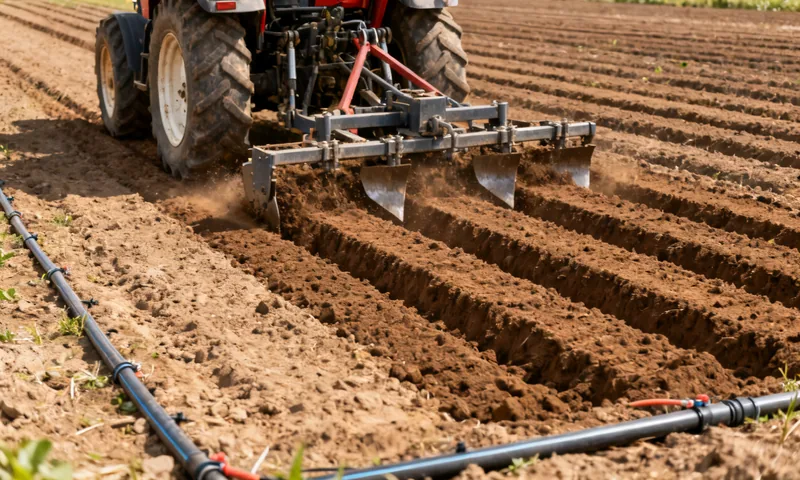
Drip side: highest water-use efficiency for row and orchard crops, and it pairs cleanly with fertigation timing before a rotary tiller or cultivator pass.
Center pivot side: lower labor intensity on large rectangular or circular fields, but tractor traffic, gate clearances and wheel-track compaction need planning.
Limit: choosing a tractor package without mapping irrigation layout can leave implement width or turning radius fighting the water system you already own.
Drone spraying vs boom sprayers
Drone side: flexible for fragmented fields and difficult terrain where a boom sprayer cannot stage safely.
Boom side: higher throughput and more mature rate control for large fields, often tied to tractor PTO horsepower, tank capacity near 3000 L class talks and spray drift control procedures.
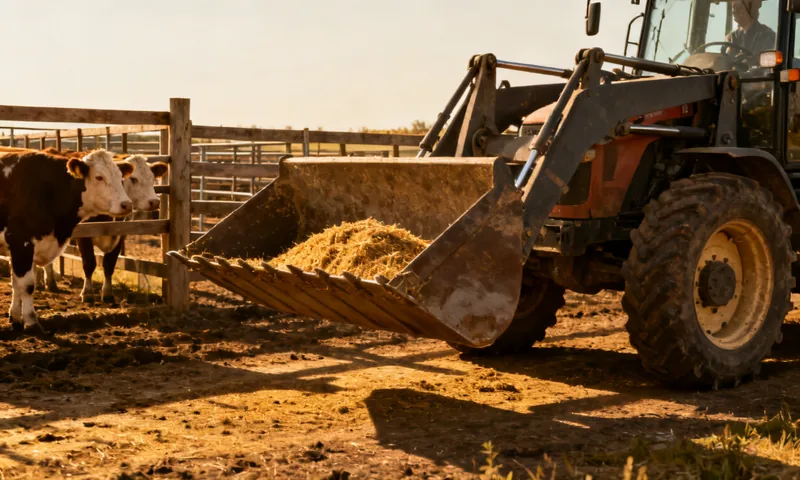
Limit: if boom work dominates, loader-led compact packages may under-serve transport and hitch demands during spray windows.
Compact geometry vs utility traction
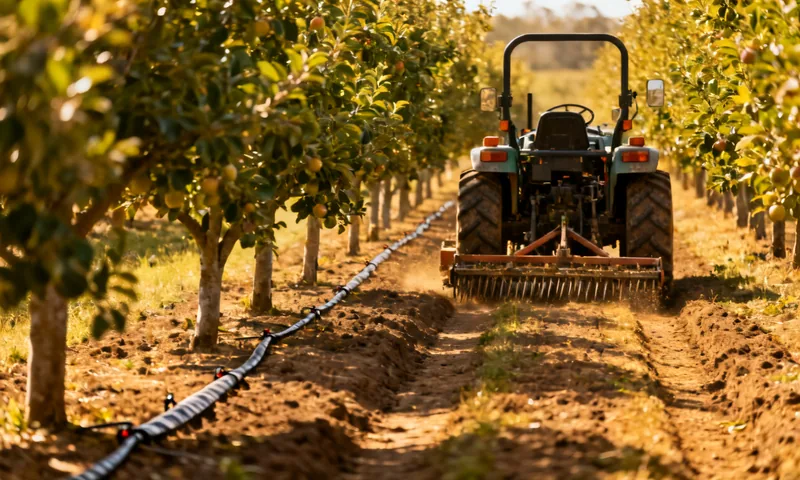
Compact side: better for orchard lanes, drip tape edges and shade screen corridors where turning radius protects canopies.
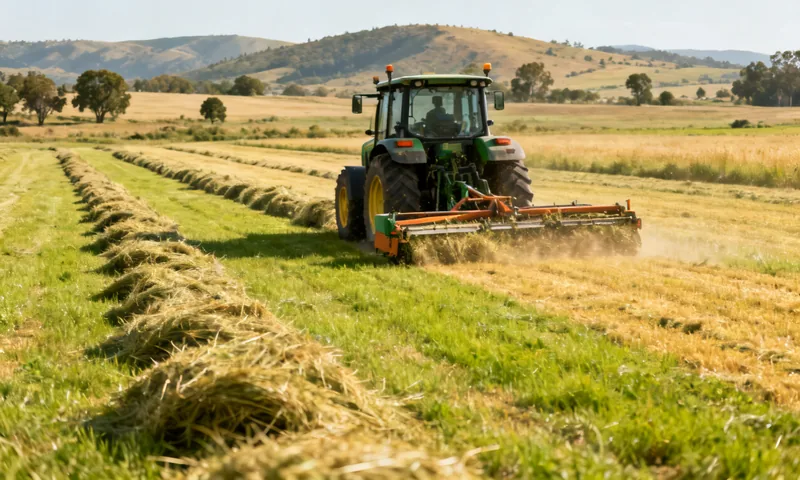
Utility side: stronger for open cultivation, heavier rotary tiller draft and longer transport runs between field blocks near 40 ha mixed farms.
Limit: forcing a compact chassis into continuous high-draft tillage can overheat cooling systems and shorten clutch life.